
7 Cable Management Trends Transforming Modern Electrical Projects
October 16, 2026Electrical infrastructure has changed a lot. Today’s commercial buildings, industrial sites and smart homes need more than just hiding wires. As digital networks grow power needs increase and environmental rules get stricter about how we handle cables has become an engineering challenge.
Modern electrical projects require safety, scalability and long-term efficiency. Using cable management trends helps engineers, contractors and facility leaders prepare for the future while keeping maintenance costs low.
Let’s look at the seven cable management trends shaping the industry and how upgrading your system can improve your next electrical project.
Here are Top 7 Cable Management Trends:
1. Shift Toward Eco-Friendly & Sustainable Practices
Sustainability is no longer optional in construction and industrial work. It is now a requirement. Electrical designs today focus on reducing carbon footprints and lowering energy loss over time.
Cable management directly affects energy use. Wires that are poorly supported or tangled block airflow. This causes heat to build up. Over time the heat damages insulation and wastes power. It also makes cooling systems work harder.
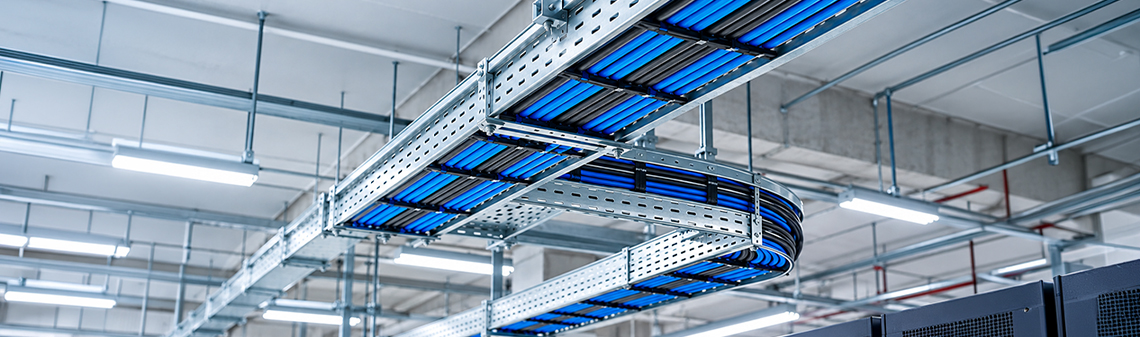
Using wire mesh trays or ventilated ladder cable trays helps heat escape naturally. This lowers cooling needs. Makes wires last longer. Many manufacturers are also switching to metals and cleaner production methods. This keeps installations in line with building standards.
2. Rise of Modular and Flexible Cable Management Systems
Old, fixed cable paths don’t work well when buildings change or grow. Today’s project managers prefer modular systems they can adjust easily.
Modular trays, flexible conduits and adaptable supports let technicians re-route. Add lines without tearing down walls. This works well for farms, factories and offices. Modular systems cut installation time and labor costs.
3. Integration with Digital & Smart Building Technologies
Buildings are getting smarter. This means data traffic. Facilities now use sensors, automated building management systems, fiber optics and power-over-Ethernet devices.
This creates a need for cable management. High-density data must stay separate from power lines. Otherwise electromagnetic interference can break signals.
New strategies use raceway cable trays with compartments and clear labeling. This makes it easier to find problems and keeps signals strong in networks.
4. Enhanced Focus on Workplace Safety & Compliance
Safety rules are getting tougher in both commercial areas. Disorganized cables are still a cause of electrical fires, trips, short circuits and other hazards.
Good cable management reduces danger. Proper clamping and support keep wires from being damaged. This prevents wires, accidental cuts and exposed parts.
Following safety codes protects people. Prevents fines and downtime. It also helps owners avoid trouble and repair costs.
5. Material Innovations and Advanced Designs
New materials are changing how cable support systems are built. Heavy steel used to be standard. Now lighter alloys, stainless steel and corrosion-resistant coatings are more common.
These materials help in ways:
- Lighter weight: Makes transport and installation easier.
- Corrosion resistance: Works in humid, salty or chemical-heavy areas.
- Faster installation: Tools like quick-clip connections and tool-free joints speed up work.
Term better materials mean fewer repairs and replacements. This lowers ownership cost.
6. Advanced Fire Resistance and Protection Standards
Fire safety is still a concern in buildings, transport and heavy industries. Modern electrical rules now require fire-rated cable trays and supports.
Fire- trays, heat-safe clamps and fire barriers keep the system intact during emergencies. This keeps emergency lights, smoke fans and alarms running enough for people to escape.
Keeping pathways secure gives time to evacuate safely. It also helps control fire spread.
7. Tailored Solutions for Extreme Environments
Standard cable fittings often fail in places like rigs, chemical plants, steel factories or underground tunnels.
A growing trend is designing cable systems for conditions. These systems use materials like dip galvanized steel, stainless steel (SS316) or special coatings.
They must work in heat, constant vibration and heavy chemical use. These systems stay secure and reliable when conditions get tough.
Upgrade Your Project Infrastructure
Keeping up with these trends helps engineers and contractors build safer electrical systems.
At Elcon Global we offer high-performance cable management solutions. Our products include trays, ladders and support channels. They keep your infrastructure safe, efficient and ready, for growth.
Explore our products today. Take your next project to the next level.
Frequently Asked Questions:
1. Why is cable management becoming more important in modern electrical projects?
It is essential to prevent heat buildup, reduce electrical interference, ensure workplace safety, and support high-density power and data networks.
2. What is smart cable management?
It is an advanced routing strategy using structured, multi-compartment pathways and visual tracking to prevent signal interference and simplify maintenance in automated buildings.
3. How is IoT changing cable management systems?
IoT requires organized, shielded pathways to handle high-density data cables and power-over-Ethernet lines without signal disruption.
4. Why are sustainable cable management solutions becoming more popular?
They improve airflow to reduce energy loss, cut down cooling costs, and use eco-friendly, recyclable materials to meet green building standards.
5. How can cable management improve electrical safety?
It keeps wires securely clamped and supported, preventing tripping hazards, short circuits, cable degradation, and fire risks.
6. What is the future of cable management in smart buildings and industrial facilities?
The future lies in modular, fire-resistant, and corrosion-proof systems designed to seamlessly adapt to expanding digital networks and extreme environments.